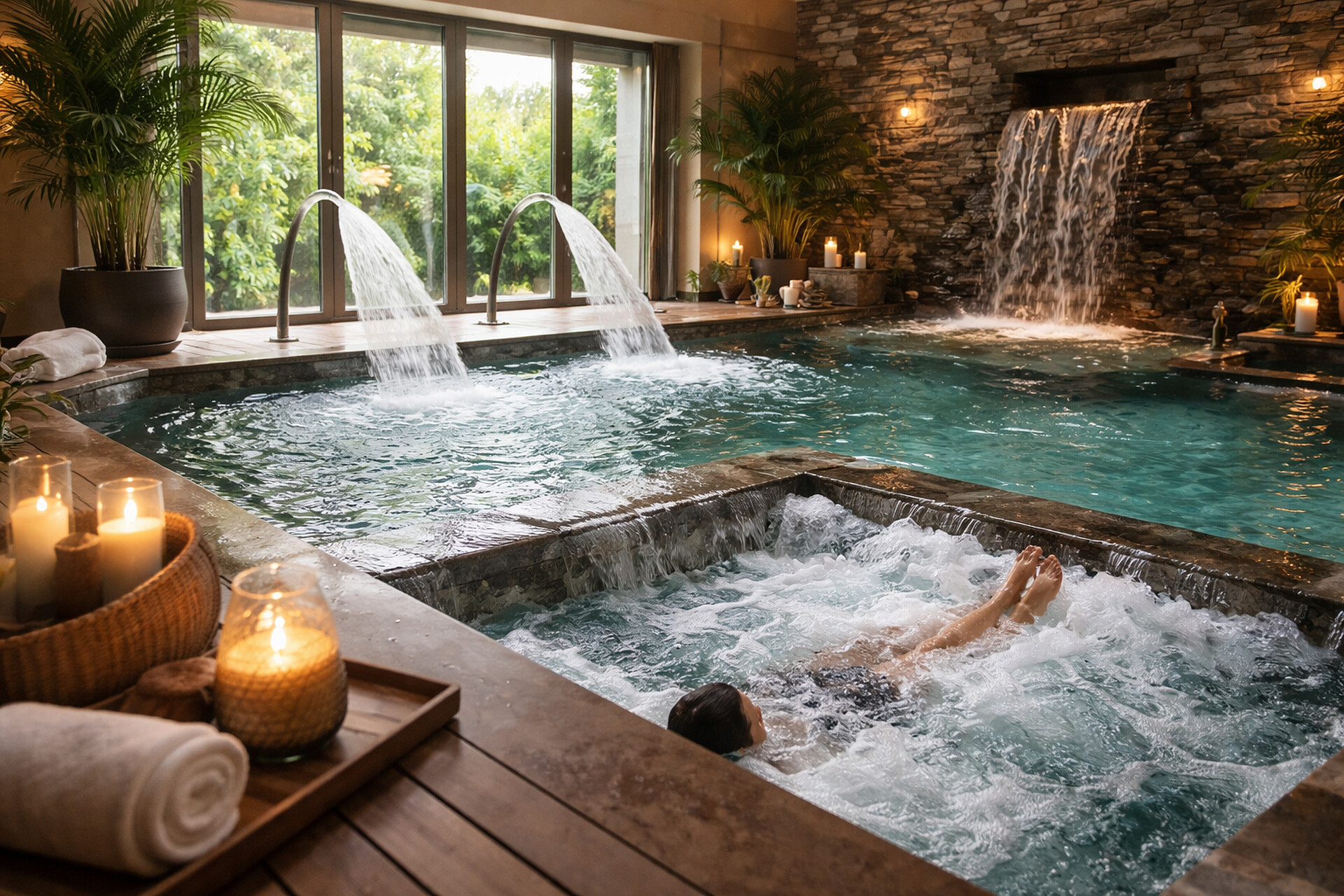
Hydrotherapy Techniques for Relaxation and Recovery
A practical guide to using water to calm your mind and support your body
Water has a way of changing how we feel.
A warm bath softens tight muscles. A cool splash wakes us up. Floating in water seems to quiet the noise in our heads. These reactions aren’t random. They’re rooted in how the body responds to temperature, pressure, and buoyancy.
Hydrotherapy—the therapeutic use of water—takes these natural effects and uses them intentionally for relaxation and recovery.
In this guide, you’ll learn:
- What hydrotherapy really is (and what it isn’t)
- How water affects your muscles, circulation, and nervous system
- Practical hydrotherapy techniques you can use at home
- When to use heat, cold, or contrast methods
- Safety tips to protect your health
- How to create a simple routine that supports long-term recovery
No hype. No exaggerated claims. Just clear, science-informed guidance you can use right away.
Let’s begin.
What Is Hydrotherapy?
Hydrotherapy is the use of water for therapeutic purposes. It may involve warm water, cold water, moving water, steam, or ice. The goal can be relaxation, pain relief, muscle recovery, or general wellness support.
Hydrotherapy has been practiced for centuries across many cultures. Today, it appears in settings such as:
- Physical therapy clinics
- Sports recovery centers
- Rehabilitation facilities
- Wellness spas
- Home bathrooms
It can be as simple as a warm bath after a long day—or as structured as guided cold immersion after intense exercise.
The key idea is this: water changes how the body feels and functions. When used thoughtfully, it can support recovery and relaxation.
How Water Affects the Body

Before exploring techniques, it helps to understand why hydrotherapy works.
Water influences the body through three main factors:
1. Temperature
- Warm water promotes relaxation. It increases blood flow to the skin and muscles, which can reduce stiffness and ease tension.
- Cold water stimulates circulation and may reduce inflammation after intense activity. It also activates the nervous system, which can increase alertness.
2. Hydrostatic Pressure
When you immerse yourself in water, gentle pressure surrounds your body. This pressure may help reduce mild swelling and support circulation.
3. Buoyancy
Water supports your body weight. This reduces stress on joints and muscles. Movements that feel difficult on land often feel easier in water.
Together, these effects make hydrotherapy a versatile tool for both physical recovery and mental relaxation.
Warm Water Techniques for Relaxation
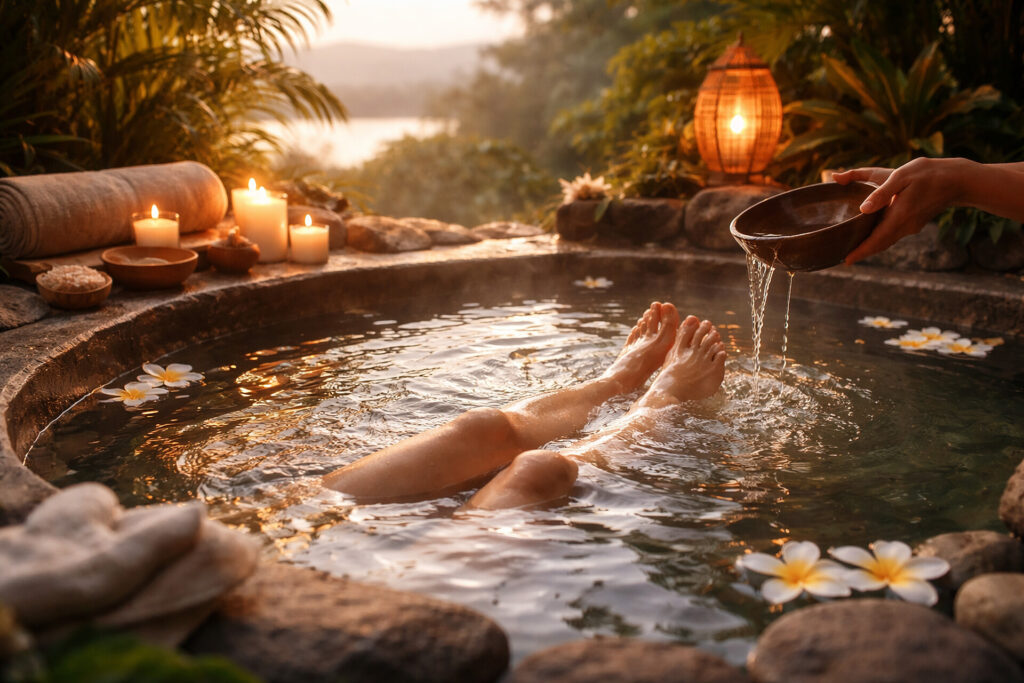
Warm water is one of the most accessible ways to calm the body and mind.
Warm Baths
A warm bath is simple but powerful.
How it helps:
- Relaxes tight muscles
- Encourages blood flow
- Signals the nervous system to shift toward a calmer state
- Can improve sleep readiness when used in the evening
How to use it:
- Keep water comfortably warm, not hot.
- Soak for 10–20 minutes.
- Breathe slowly and deeply.
- Avoid using very hot water if you have cardiovascular concerns.
Adding Epsom salt is common, though evidence on additional benefits beyond relaxation is limited. The warmth itself does most of the work.
Pro tip: Dim the lights and reduce distractions. Your nervous system responds to your environment as much as the water.
Warm Showers with Intentional Breathing
If you don’t have time for a bath, a warm shower can work well.
Instead of rushing, try this:
- Stand under warm water.
- Inhale slowly through your nose for four seconds.
- Exhale slowly for six seconds.
- Repeat for several minutes.
This combination of warmth and slow breathing can reduce stress levels and help your body unwind.
Steam and Moist Heat
Steam exposure increases skin temperature and can promote relaxation. It may also temporarily ease muscle tightness.
However, steam rooms are not suitable for everyone. People with certain heart or blood pressure conditions should consult a healthcare professional before using high-heat environments.
Keep sessions brief—around 10–15 minutes—and hydrate afterward.
Cold Water Techniques for Recovery
Cold exposure feels intense. But used properly, it can support recovery after physical strain.
Cold Showers
A brief cold shower can:
- Increase alertness
- Stimulate circulation
- Create a refreshing sensation
Start gradually:
- Finish your normal shower with 30–60 seconds of cool water.
- Focus on steady breathing.
- Build tolerance over time.
Cold showers are not a cure-all. They are a tool. Listen to your body.
Cold Water Immersion
Cold immersion involves submerging part or all of the body in cold water for a short period.
Athletes often use it after intense training sessions.
Potential benefits include:
- Temporary reduction in muscle soreness
- Reduced perception of inflammation
- Faster subjective recovery
Typical duration ranges from 5–10 minutes in cool water. Water should feel cold but not painfully freezing.
Important:
Cold immersion is not suitable for everyone. People with cardiovascular conditions, circulation disorders, or cold sensitivity should seek medical advice first.
Ice Packs and Localized Cooling
You don’t need full immersion to benefit from cold.
Applying a cold pack to a specific area after minor strain can help reduce discomfort.
Use a cloth between the ice and skin. Limit application to 10–15 minutes at a time.
Cold is most useful shortly after activity or minor injury. Heat is usually better later, when stiffness becomes the main issue.
Contrast Hydrotherapy: Hot and Cold Together
Contrast hydrotherapy alternates warm and cold water exposure.
The idea is simple:
- Warm water expands blood vessels.
- Cold water constricts them.
Switching between temperatures may help stimulate circulation.
How to Try It
In a shower:
- Start with 2–3 minutes of warm water.
- Switch to 30–60 seconds of cool water.
- Repeat the cycle 3–4 times.
- End on warm if your goal is relaxation.
- End on cool if your goal is alertness.
Contrast methods are commonly used for muscle recovery. Evidence is mixed, but many people report feeling refreshed and less stiff afterward.
As always, avoid extreme temperatures.
Hydrotherapy for Muscle Recovery
After intense exercise, muscles experience stress and small amounts of tissue damage. This is part of adaptation. Recovery allows the body to rebuild.
Hydrotherapy can support this process in several ways:
- Reducing perceived soreness
- Encouraging circulation
- Promoting relaxation
- Helping transition from high effort to rest
Example: Post-Workout Recovery Routine
After a challenging workout:
- Cool down with light movement for 5–10 minutes.
- Use a warm shower or short contrast shower.
- Stretch gently.
- Hydrate and eat balanced nutrition.
Hydrotherapy is not a substitute for sleep, nutrition, or proper training. It works best as part of a complete recovery strategy.
Hydrotherapy for Stress and Mental Relaxation
Recovery isn’t only physical.
Chronic stress keeps the nervous system in a heightened state. Warm water, especially in the evening, can help shift the body toward relaxation.
Why It Works
Warmth activates temperature-sensitive receptors in the skin. This signals the brain to reduce alertness and increase calm responses.
Some research suggests that a warm bath taken 1–2 hours before bed may help improve sleep onset in some individuals. The effect is likely related to body temperature changes.
Create a Relaxation Ritual
Turn hydrotherapy into a signal for rest:
- Choose a consistent time.
- Lower lighting.
- Avoid screens.
- Add calming music or silence.
- Focus on slow breathing.
Over time, your brain begins to associate warm water with relaxation.
That consistency matters.
Hydrotherapy in Water-Based Exercise
Water isn’t only for soaking. It’s also for movement.
Aquatic exercise uses buoyancy to reduce joint stress. This can be helpful for:
- Individuals recovering from injury
- People with joint discomfort
- Those seeking low-impact cardio
In water:
- Movements feel lighter.
- Impact is reduced.
- Resistance exists in all directions.
Even walking in waist-deep water challenges muscles gently.
If you’re new to water exercise, start slowly and consider guidance from a qualified professional.
When to Use Heat vs. Cold
It’s a common question: should you use heat or cold?
Here’s a simple guideline:
Use Cold When:
- There is recent strain or swelling
- You feel inflamed after intense activity
- You want a quick alertness boost
Use Heat When:
- Muscles feel tight or stiff
- You’re preparing for gentle stretching
- You want relaxation or stress relief
If unsure, choose mild warmth. It’s generally more comfortable and safer for most people.
Safety First: Important Considerations
Hydrotherapy is usually safe when done responsibly. But there are risks if misused.
Avoid Extreme Temperatures
Very hot water can:
- Cause dizziness
- Lower blood pressure suddenly
- Lead to dehydration
Very cold water can:
- Stress the cardiovascular system
- Cause rapid breathing
- Trigger discomfort in sensitive individuals
Moderation matters.
Talk to a Healthcare Professional If You Have:
- Heart disease
- High or unstable blood pressure
- Circulatory disorders
- Diabetes-related nerve issues
- Open wounds or skin infections
- Pregnancy-related concerns
Hydrotherapy can still be beneficial in many cases, but guidance ensures safety.
Hydrate
Warm environments increase sweating. Always drink water before and after extended heat exposure.
Making Hydrotherapy Part of Your Routine
You don’t need a spa. You don’t need special equipment.
Start small.
Example Weekly Plan
- After workouts: Short contrast shower
- Midweek stress relief: 15-minute warm bath
- Weekend recovery: Gentle aquatic movement or longer soak
Consistency creates benefit.
Think of hydrotherapy as a tool—like stretching or mindful breathing.
Common Questions
How long should a session last?
Most relaxation-focused sessions last 10–20 minutes. Cold exposure is typically shorter.
Is more better?
No. Longer or hotter sessions do not guarantee better results. Overuse may cause fatigue or dizziness.
Can hydrotherapy replace medical treatment?
No. It can support recovery but does not replace medical care for injuries or chronic conditions.
Does it work for everyone?
People respond differently. Some love cold water. Others prefer warmth. Personal comfort matters.
The Emotional Side of Water
There’s something deeply human about water.
Think about it:
- Floating in a pool as a child.
- Sitting by the ocean.
- Taking a warm shower after a hard day.
Water creates a sense of safety for many people.
That emotional response adds to the physical effects. Relaxation isn’t just muscle deep. It’s mental.
When you step into warm water with intention, you’re telling your body, “It’s okay to slow down.”
That message is powerful.
Key Takeaways
- Hydrotherapy uses water temperature and pressure to support relaxation and recovery.
- Warm water helps reduce muscle tension and promotes calm.
- Cold water may reduce perceived soreness and increase alertness.
- Contrast therapy alternates hot and cold to stimulate circulation.
- Safety and moderation are essential.
- Hydrotherapy works best alongside sleep, nutrition, and proper movement.
You don’t need extreme methods. Simple, consistent use often brings the greatest benefit.
Final Thoughts: A Simple Tool You Already Have
Recovery doesn’t have to be complicated.
Sometimes it starts with turning on the tap.
Hydrotherapy reminds us that the body responds to simple inputs—warmth, coolness, gentle pressure, buoyancy. When used wisely, these inputs help us rest, recover, and reset.
You don’t need perfection. You don’t need advanced equipment.
You need awareness.
The next time you step into a shower or bath, pause. Breathe. Notice how your body responds.
That small moment of attention might be the most therapeutic part of all.
And that’s a habit worth keeping.