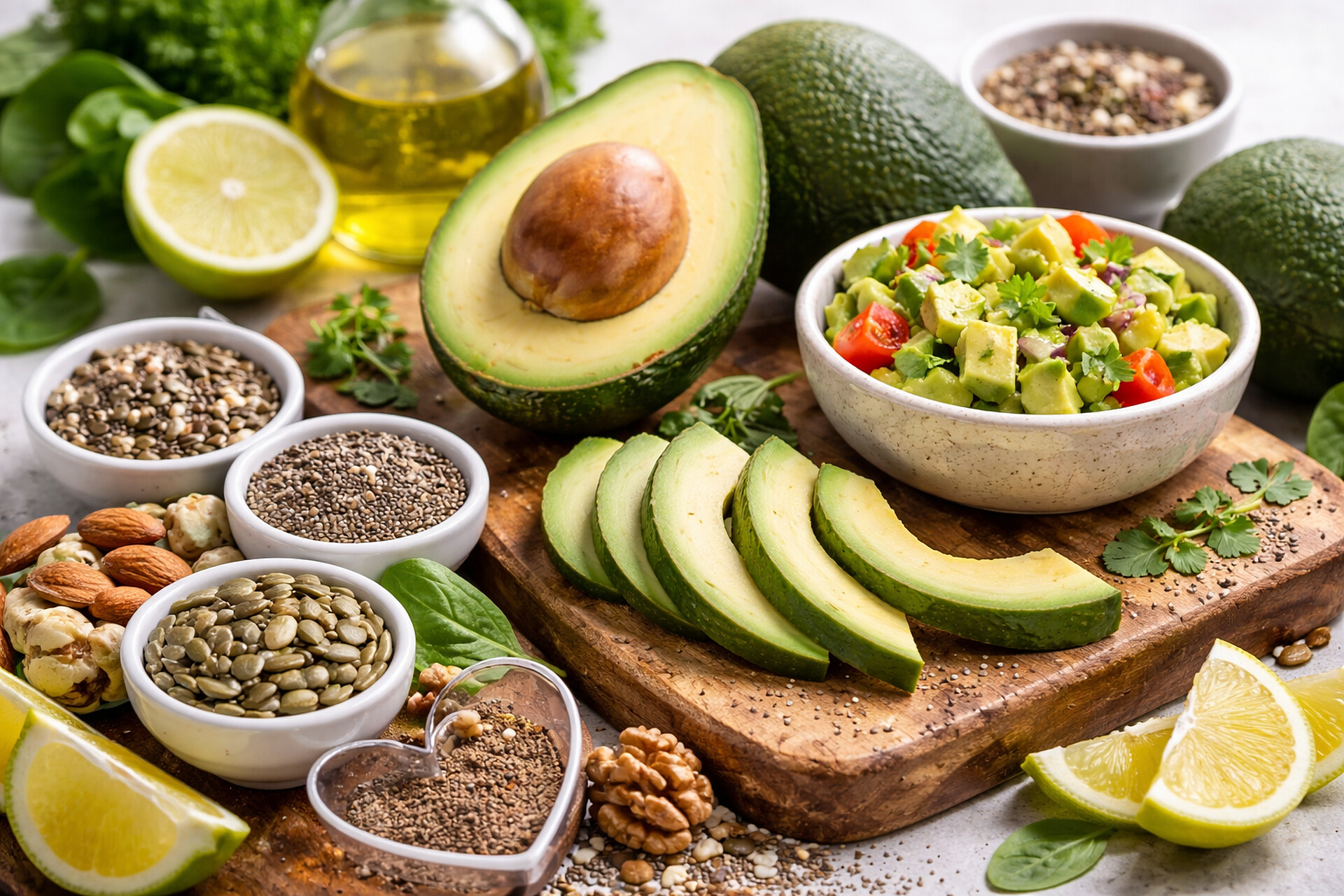
The Real Effects of Eating Avocado Every Day on Your Health
Avocados have a funny reputation.
Some people treat them like a miracle food. Others roll their eyes and see them as overhyped green mush. You might enjoy them occasionally but wonder if eating one every single day is actually a good idea—or just another nutrition trend waiting to fade.
So let’s slow down and look at the reality.
What really happens to your body if avocado becomes a daily habit? Not the marketing version. Not the extreme promises. Just the honest, evidence-based effects—both the good and the things worth thinking twice about.
If you’ve ever asked, “Is eating avocado every day actually healthy for me?” this article is for you.
Why Avocados Get So Much Attention

Avocados are unusual in the food world.
Most fruits are mostly carbs and water. Avocados are different. They’re rich in fat, relatively low in sugar, and packed with micronutrients. That alone makes them stand out.
One medium avocado contains:
- A large dose of monounsaturated fat
- Significant fiber
- A range of vitamins and minerals
- Very little sugar
This combination puts avocados in a rare category: foods that are both satisfying and nutrient-dense.
But nutrition isn’t about one meal. It’s about patterns. And daily habits matter.
So let’s look at what that pattern can do.
How Daily Avocado Consumption Affects Your Heart
The fat that works with your body, not against it
Avocados are high in monounsaturated fat—the same type found in olive oil.
This kind of fat is associated with:
- Supporting healthy cholesterol balance
- Helping maintain flexible blood vessels
- Reducing inflammation markers in some people
Unlike saturated fats, monounsaturated fats don’t tend to raise “bad” cholesterol when eaten in reasonable amounts. In fact, replacing refined carbs or certain saturated fats with these fats often improves overall lipid profiles.
What this means in real life
If you eat avocado daily:
- You may feel fuller and less snack-driven
- You might naturally replace less helpful fats
- Your meals may become more balanced without trying
This doesn’t mean avocados are medicine. But as part of a consistent eating pattern, they can quietly support heart health over time.
Your Digestive System Notices the Difference
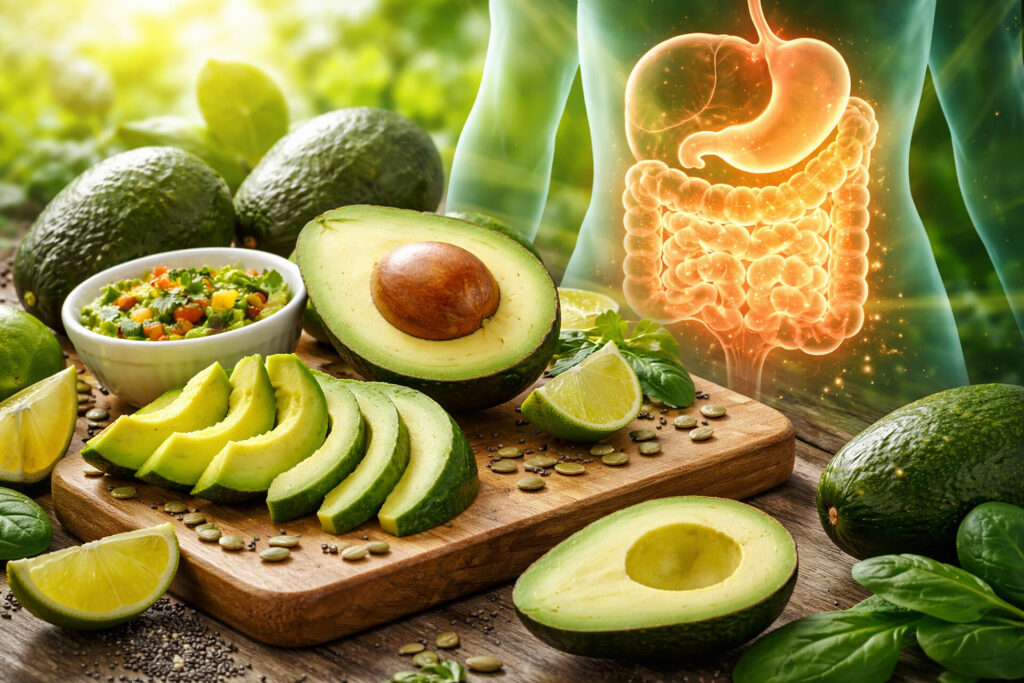
Fiber that actually does its job
Most people don’t eat enough fiber. Not even close.
Avocados contain both:
- Soluble fiber, which feeds beneficial gut bacteria
- Insoluble fiber, which supports regular digestion
Eating one avocado a day can contribute a meaningful portion of your daily fiber needs without requiring drastic diet changes.
What people often report
Over time, regular avocado eaters often notice:
- More consistent digestion
- Less bloating from refined foods
- A feeling of digestive “ease”
That doesn’t happen overnight. But your gut responds to patterns, not quick fixes.
And fiber-rich foods tend to support long-term gut balance—something your entire body depends on.
The Surprising Effect on Hunger and Cravings

Why avocado keeps you satisfied
Avocados combine three things that influence satiety:
- Fat
- Fiber
- Volume
This trio slows digestion and stabilizes blood sugar responses. That’s a big deal if you struggle with energy crashes or constant snacking.
When your meals include avocado, you may notice:
- Fewer intense cravings between meals
- Less urge to reach for ultra-processed snacks
- A calmer relationship with food overall
This isn’t about willpower. It’s biology.
Your body simply feels nourished.
Weight Management: Not Magic, But Helpful
The calorie concern
Yes, avocados are calorie-dense.
That fact scares some people away. But calories don’t act in isolation. Foods that promote fullness often help regulate overall intake naturally.
Studies and real-world patterns suggest that people who regularly eat avocados:
- Tend to have better diet quality overall
- Are less likely to overeat later in the day
- Often maintain healthier body composition over time
This doesn’t mean adding avocado on top of an already excessive diet will cause weight loss. But when avocado replaces less filling or more refined foods, the effect can be surprisingly positive.
A realistic perspective
Eating avocado daily won’t:
- Melt fat overnight
- Override poor sleep or stress
- Compensate for a highly unbalanced diet
But it can support sustainable eating habits that make weight management feel less like a fight.
Skin, Hair, and the “Glow” Effect
Nutrients that show up on the outside
Avocados contain nutrients linked to skin and hair health, including:
- Vitamin E
- Vitamin C
- Healthy fats that support skin barrier function
These nutrients help protect cells from everyday stress and support normal tissue repair.
What to expect—and what not to
Daily avocado intake may contribute to:
- Better skin hydration
- Less dryness
- A subtle improvement in overall skin texture
It won’t erase wrinkles or replace skincare. But nutrition and skin health are connected, and avocados play a supportive role—not a miraculous one.
Brain Health and Mental Clarity
Fats your brain appreciates
Your brain is largely made of fat. That doesn’t mean you need huge amounts—but it does mean quality matters.
Monounsaturated fats support:
- Stable energy supply to the brain
- Blood flow that nourishes brain tissue
Avocados also contain nutrients involved in nerve function and cellular communication.
How this may feel day to day
People who eat balanced, fat-inclusive diets often report:
- Fewer mental energy crashes
- Better focus between meals
- A steadier mood
Again, this is subtle. But daily habits shape how your brain feels over time.
Blood Sugar Balance and Energy Levels
Low sugar, high payoff
Avocados have a minimal impact on blood sugar.
That makes them especially useful when paired with:
- Carbohydrate-heavy meals
- Breakfasts that usually cause energy dips
- Foods that digest quickly on their own
By slowing digestion, avocado helps smooth the rise and fall of blood sugar.
Why that matters
Stable blood sugar supports:
- Consistent energy
- Reduced irritability
- Better concentration
If you often feel tired after meals, avocado may quietly help—even without changing anything else.
Nutrient Absorption: The Hidden Benefit
Fat makes nutrients more available
Some vitamins require fat to be absorbed properly. These include vitamins found in vegetables many people already eat.
When you add avocado to meals, it can:
- Improve absorption of fat-soluble vitamins
- Increase the nutritional payoff of salads and vegetables
- Make simple meals more nutritionally complete
This is one of the least talked-about benefits—and one of the most practical.
The Emotional Side of Daily Avocado Eating
Food isn’t just fuel. It’s experience.
Avocados tend to:
- Make meals feel more satisfying
- Encourage home cooking
- Add richness without heaviness
Many people find that eating avocado daily:
- Makes healthy meals feel indulgent
- Reduces feelings of restriction
- Improves consistency over perfection
That emotional ease matters. A lot.
Are There Downsides to Eating Avocado Every Day?
Honesty matters. So yes—there are a few things to consider.
Portion awareness
Avocados are nutrient-dense, but they’re still calorie-dense. Eating very large amounts daily without adjusting other foods can lead to unintended excess.
The key isn’t fear. It’s balance.
Digestive sensitivity
Some people are sensitive to certain natural compounds in avocados. If you notice discomfort, bloating, or digestive changes, daily consumption may not suit your body.
That’s not failure. That’s feedback.
Diet diversity still matters
No single food should crowd out others.
Even healthy foods work best as part of a varied diet. Avocado can be a daily staple—but not the only star.
How to Eat Avocado Daily Without Getting Bored
Daily doesn’t have to mean repetitive.
Here are ways people naturally rotate avocado into meals:
- Sliced on eggs or toast
- Blended into smoothies for creaminess
- Added to grain bowls or salads
- Mashed into dressings or spreads
- Paired with vegetables for texture
The goal isn’t creativity points. It’s sustainability.
Who Benefits Most From Daily Avocado?
Daily avocado intake tends to be especially helpful for people who:
- Struggle with hunger between meals
- Want more fiber without supplements
- Need more healthy fats in their diet
- Prefer whole foods over processed snacks
But your body is the final judge. Always.
The Bigger Picture: What Avocado Really Represents
Avocado isn’t magic.
But it represents something important:
- Choosing whole foods
- Prioritizing satisfaction
- Eating in a way that supports consistency
Daily avocado eating works not because avocado is special—but because it fits naturally into a balanced, human-friendly way of eating.
Final Thoughts: Is Eating Avocado Every Day Worth It?
If you enjoy avocados, your body tolerates them well, and they fit into your meals naturally—then yes, eating avocado every day can be a genuinely healthy habit.
Not because it promises perfection.
Not because it fixes everything.
But because it supports the basics:
- Fullness
- Balance
- Nutrient density
- Enjoyment
And health built on enjoyment tends to last.
The real effect of eating avocado every day isn’t transformation.
It’s quiet support—working in the background while you live your life.
And honestly, that’s the kind of health benefit that matters most.