The Benefits of Exercising Outdoors for Your Body and Mind
Why Outdoor Exercise Feels Different From Indoor Workouts
Outdoor exercise can feel noticeably different from moving in a gym, studio, or home workout space because the environment becomes part of the experience. Indoors, conditions are usually controlled: the surface is predictable, the lighting is consistent, the temperature is managed, and the scenery stays mostly the same. Outside, the body and mind respond to a wider range of natural inputs, from changing terrain and fresh air to sunlight, sound, weather, and open space.
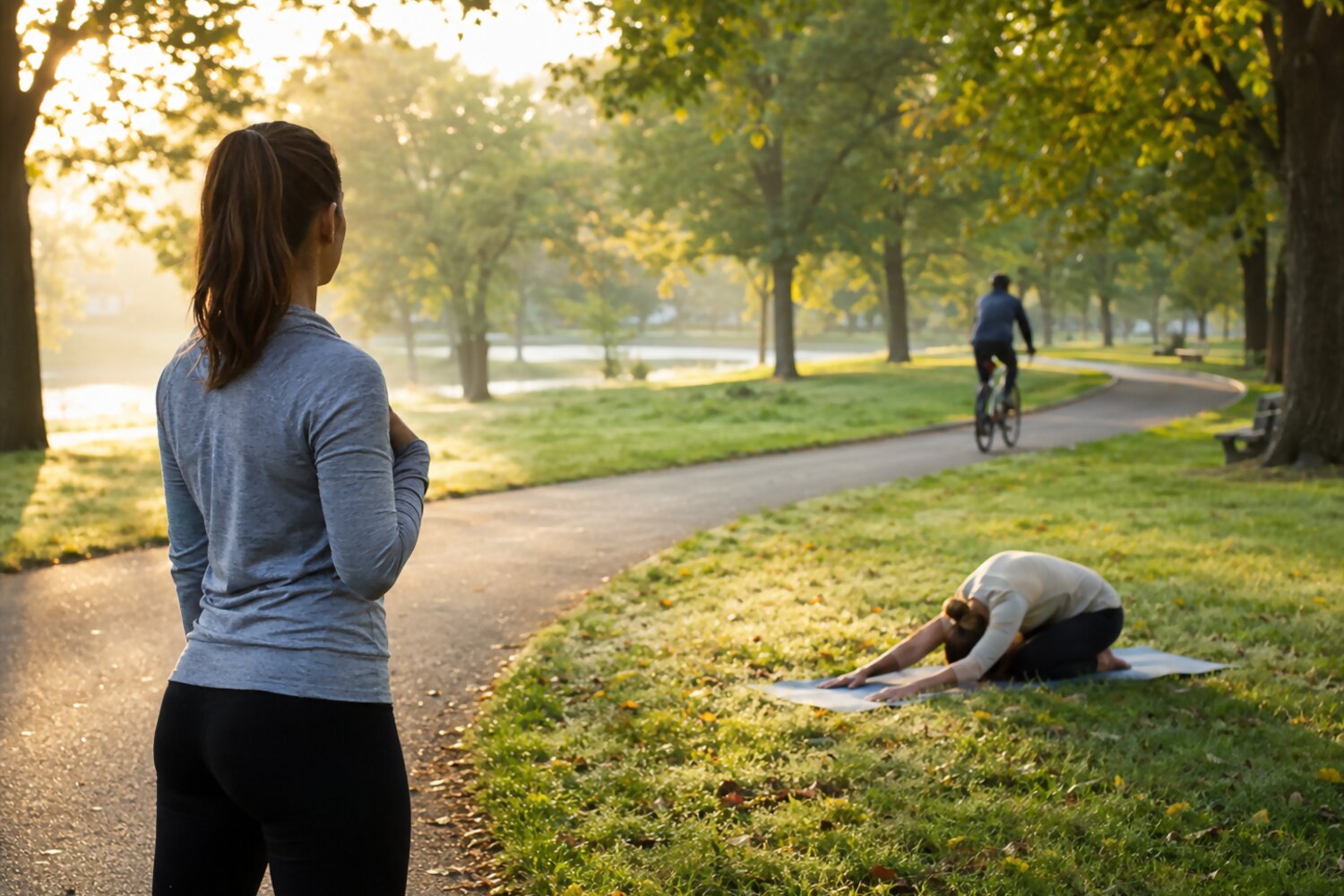
This difference is not only physical. Outdoor movement often creates a stronger sense of awareness because the setting is less repetitive. A walk through a neighborhood, a run along a trail, or a bike ride through a park includes small variations that keep the brain engaged. The route may include slopes, turns, uneven ground, passing people, trees, traffic sounds, birds, or shifting light. These details can make the activity feel more connected to the world around the person, rather than limited to a machine, screen, or mirrored room.
The outdoor setting may also change how effort is perceived. For some people, movement outside feels less monotonous because attention is divided between the activity and the surroundings. Instead of focusing only on time, distance, speed, or repetitions, the experience includes landmarks, weather, views, and the rhythm of the environment. This can make the session feel more immersive and less mechanical.
Indoor exercise has clear advantages, including convenience, climate control, and reliable equipment. Outdoor exercise offers a different kind of value: variety, sensory stimulation, and a sense of space. Understanding this contrast helps explain why the same form of movement can feel very different depending on where it happens.
Physical Benefits: Movement, Sunlight, and Varied Terrain
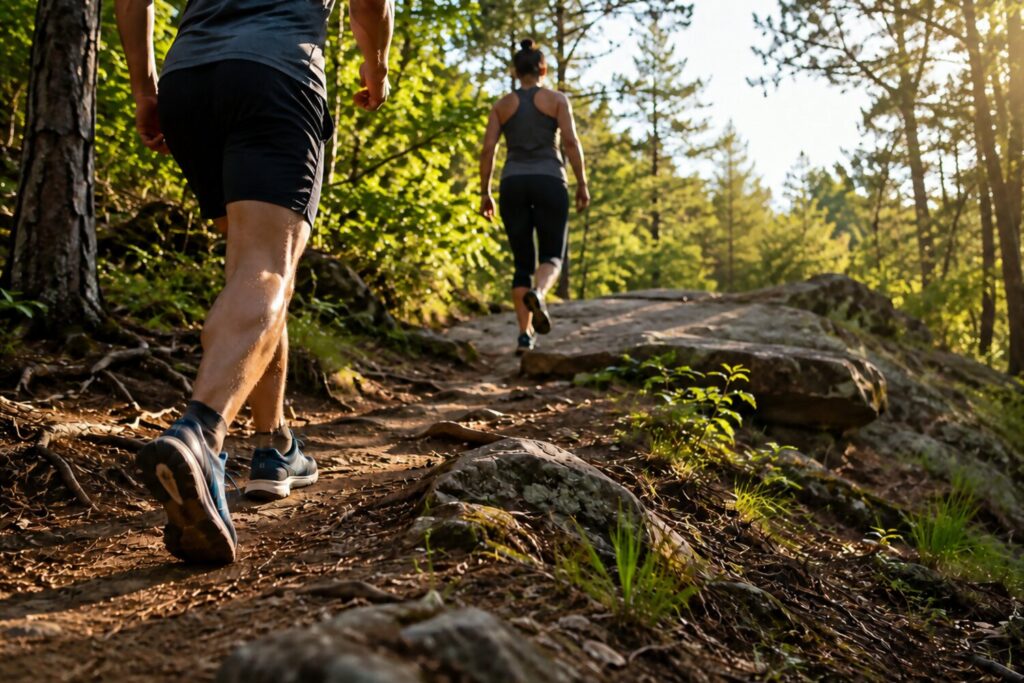
Outdoor exercise can offer a more dynamic physical experience than many indoor workouts because the body responds to an environment that is constantly changing. A treadmill, stationary bike, or gym floor provides consistency, which can be useful. Outside, however, movement often includes small shifts in direction, surface, incline, wind, temperature, and pace. These natural variations can make the body work in slightly different ways from one moment to the next.
One of the clearest differences is terrain. Walking on a paved path, climbing a hill, running on a trail, or cycling through a neighborhood may involve changes in elevation and surface texture. These changes can engage balance, coordination, and stabilizing muscles because the body has to adjust to the ground beneath it. Even a simple outdoor walk may include curbs, slopes, turns, gravel, grass, or uneven pavement, which creates a less uniform movement pattern than many indoor settings.
Natural light also adds another layer to outdoor activity. Exposure to daylight plays a role in the body’s internal clock, which helps regulate patterns of alertness and rest. Sunlight is also connected to vitamin D production, although the amount a person produces depends on many factors, including season, time of day, skin tone, location, clothing, and sunscreen use. For this reason, sunlight is best described as one part of the outdoor exercise experience, not a guaranteed health outcome.
Outdoor conditions can also influence effort. A breeze, a warmer afternoon, a cooler morning, or a hill near the end of a route may change how challenging the activity feels. These variations can make the workout feel more natural and less controlled. Instead of repeating the same motion in the same setting, the body responds to real-world conditions.
The physical value of outdoor exercise comes from this combination of movement, environment, and sensory feedback. It is not that outdoor workouts are automatically better than indoor ones; rather, they provide a different type of physical challenge. For many people, that difference is part of what makes outdoor movement feel active, engaging, and connected to daily life.
Mental Reset: How Nature Can Support Mood and Focus
Outdoor exercise can affect more than the body. The setting itself may shape how a person experiences movement, especially when the activity takes place in a park, on a trail, near water, or along a quiet neighborhood route. Natural surroundings offer a different kind of mental input than many indoor spaces. Instead of bright screens, enclosed rooms, and repeated visual patterns, the mind receives softer, more varied signals: shifting light, open sky, trees, breeze, birds, water, and changing views.
This matters because mental fatigue is often linked to sustained attention. Work, commuting, digital tasks, and household responsibilities can require constant focus, decision-making, and filtering of information. Outdoor movement introduces a different rhythm. The body stays active, but the mind may have more room to shift attention naturally. A person might notice the sound of leaves, the feel of the ground, the pace of breathing, or the distance to the next landmark. These details can create a sense of mental separation from routine pressures.
Outdoor exercise may also support mood in a practical, everyday sense. Physical activity is already associated with changes in energy, alertness, and emotional state. When that movement happens outside, the experience can feel more spacious and less confined. A short route through a green area may feel different from the same amount of time spent in a crowded indoor setting because the surroundings offer more visual depth, natural variation, and sensory contrast.
The mental benefits of outdoor exercise are best understood as supportive, not curative. Time outside is not a replacement for mental health care, and it does not affect everyone in the same way. Weather, safety, noise, crowding, and personal preference all influence the experience. Still, for many people, outdoor movement offers a valuable combination: physical activity, environmental change, and a temporary break from overstimulating indoor routines.
In the author’s view, this is one of the most compelling parts of outdoor exercise. Its value is not only measured by pace, distance, or calories. It also comes from the way a person can return from a walk, run, ride, or hike feeling more grounded, more awake, or simply less mentally boxed in.
Motivation and Enjoyment: The Power of Scenery and Variety

One reason outdoor exercise can feel more appealing is that the setting naturally changes. Indoor workouts often happen in a familiar room, on the same equipment, with the same visual surroundings. Outdoor movement, by contrast, can include changing routes, seasonal colors, shifting weather, different sounds, and a stronger sense of movement through space. These details can make the experience feel less repetitive and more connected to everyday life.
Variety plays an important role in how people experience physical activity. A person walking through a park may pass open fields, shaded paths, benches, gardens, dogs, families, runners, or cyclists. A runner may notice how the same route feels different in the morning than in the evening. A bike ride may include quiet streets, hills, intersections, and open stretches. These changes do not necessarily make the activity easier, but they can make it feel more engaging.
Scenery also gives movement a sense of progression. In many indoor settings, progress is measured mostly by numbers: minutes, speed, distance, resistance, or repetitions. Outdoors, progress can also be felt through visible landmarks — reaching the next bridge, passing a row of trees, turning onto a familiar street, or seeing the skyline come into view. This can give the activity a more natural rhythm.
| Outdoor element | How it can shape the experience |
|---|---|
| Changing scenery | Adds visual interest and reduces the feeling of sameness |
| Landmarks | Creates a sense of movement and progress |
| Seasonal shifts | Makes familiar routes feel different throughout the year |
| Open space | Can make activity feel less confined |
| Natural sounds | Adds sensory variety beyond music, screens, or equipment noise |
Enjoyment matters because exercise is not only a physical task; it is also an experience. When movement feels overly repetitive, it may become something a person simply completes. When the environment adds interest, the same type of activity can feel more meaningful. Outdoor exercise brings together motion, place, and observation, which can make the experience feel less like a chore and more like time spent actively participating in the world outside.
This does not mean outdoor exercise is always more enjoyable than indoor exercise. Some people prefer the structure, predictability, and privacy of indoor spaces. The value of outdoor movement is that it offers another pathway to enjoyment: one built on variety, atmosphere, and the steady discovery of familiar places in new ways.
Social Connection and a Sense of Place
Outdoor exercise often does more than move the body through space; it can also connect a person to the people and places around them. A walk through a neighborhood, a weekend hike, a group bike ride, or a casual game at a local park can make physical activity feel less isolated than many indoor workouts. Even when the activity is done alone, the outdoor setting may include small social moments: passing a neighbor, seeing families at a playground, noticing regular runners on the same route, or sharing a trail with other people.
This social dimension can make outdoor movement feel more grounded in daily life. Parks, sidewalks, waterfront paths, school tracks, and recreation fields are not only exercise spaces; they are community spaces. They reflect how people use their surroundings for movement, rest, play, transportation, and connection. Because of this, outdoor exercise can create a stronger sense of familiarity with an area. A route that once felt ordinary may become meaningful through repeated use, changing seasons, and small observations.
Outdoor activity can support social connection in several everyday ways:
- Walking groups can turn movement into a shared routine.
- Recreational sports can bring together people with a common interest.
- Family bike rides or park visits can combine activity with time together.
- Community events, such as charity walks or local races, can link movement with a shared purpose.
- Public spaces can create casual recognition among people who use the same routes regularly.
For example, a person who walks the same park loop a few times a week may begin to recognize familiar faces, notice changes in the landscape, and feel more connected to that place. The benefit is not only the physical activity itself, but also the sense of belonging that can develop through repeated contact with a familiar environment.
This aspect of outdoor exercise is easy to overlook because fitness is often discussed in terms of performance, intensity, or measurable results. Yet the human side matters. Movement outdoors can bring together activity, place, routine, and community in a way that feels natural and accessible. It shows that exercise does not always have to be separated from ordinary life; sometimes it becomes more meaningful because it is part of it.
Balanced Perspective: Safety, Accessibility, and Realistic Expectations

Outdoor exercise has many appealing qualities, but a trustworthy discussion should also recognize its limits. Exercising outside is not automatically safer, healthier, or more effective than exercising indoors. The experience depends on the person, the location, the weather, the activity, and the available environment. A quiet park path may feel inviting, while a poorly lit street, heavy traffic, extreme heat, icy pavement, or poor air quality can make outdoor movement less practical or less comfortable.
This balanced view matters because outdoor activity is often presented in overly simple terms. Fresh air, sunlight, scenery, and open space can add real value, but those benefits are shaped by context. For example, a person living near green space may have easy access to walking paths or recreation areas, while someone in a dense urban area may face more barriers, such as traffic noise, limited sidewalks, crowded public spaces, or fewer safe routes. Accessibility can also vary for people with mobility needs, chronic conditions, caregiving responsibilities, work schedules, or limited transportation.
Several factors can influence the outdoor exercise experience:
- Weather: Heat, cold, rain, snow, wind, and humidity can change comfort and effort.
- Air quality: Pollution, wildfire smoke, pollen, or dust can affect how suitable an outdoor setting feels.
- Safety and lighting: Traffic patterns, visibility, surface conditions, and neighborhood design all matter.
- Access: Parks, sidewalks, trails, and recreation spaces are not equally available to everyone.
- Personal preference: Some people feel more comfortable outdoors, while others prefer the privacy and predictability of indoor spaces.
A realistic article should also avoid treating outdoor exercise as a cure-all. Movement outside can support physical activity, provide variety, and create a stronger connection with place, but it does not guarantee specific health results. The value is better understood as part of a broader picture: outdoor exercise can be one useful and enjoyable way to move, not the only meaningful one.
This perspective makes the topic more inclusive and credible. Indoor and outdoor exercise each have strengths. Indoor spaces offer consistency, equipment, climate control, and privacy. Outdoor spaces offer scenery, natural variation, and a sense of openness. The most accurate framing is not that one setting is universally better, but that outdoor exercise offers a distinct experience with benefits, limitations, and practical realities worth understanding.
Final Thoughts
Outdoor exercise is valuable because it brings together movement, environment, and everyday experience. Its benefits are not limited to physical effort alone. The surrounding space — whether it is a park, sidewalk, trail, waterfront path, or neighborhood street — can shape how movement feels, how attention shifts, and how connected a person feels to the world around them.
The strongest way to understand outdoor exercise is with balance. It can offer variety, natural light, changing scenery, sensory stimulation, and a stronger sense of place. At the same time, it is not a perfect fit for every person, location, season, or schedule. Weather, air quality, accessibility, safety, and personal comfort all influence the experience.
The key point is not that outdoor exercise is superior to indoor exercise. Both settings can support an active lifestyle in meaningful ways. Indoor spaces provide structure, privacy, equipment, and climate control. Outdoor spaces provide openness, environmental variety, and a closer connection to daily surroundings.
For readers who want a broader public-health context, the World Health Organization offers general information on physical activity and health. For understanding how public spaces and walking routes connect to real-world geography, OpenStreetMap can also be a useful reference point.
In the end, outdoor exercise matters because it turns physical activity into something more layered than a workout alone. It can become a way to notice a place, experience movement differently, and understand how the body and mind respond when activity happens beyond four walls.