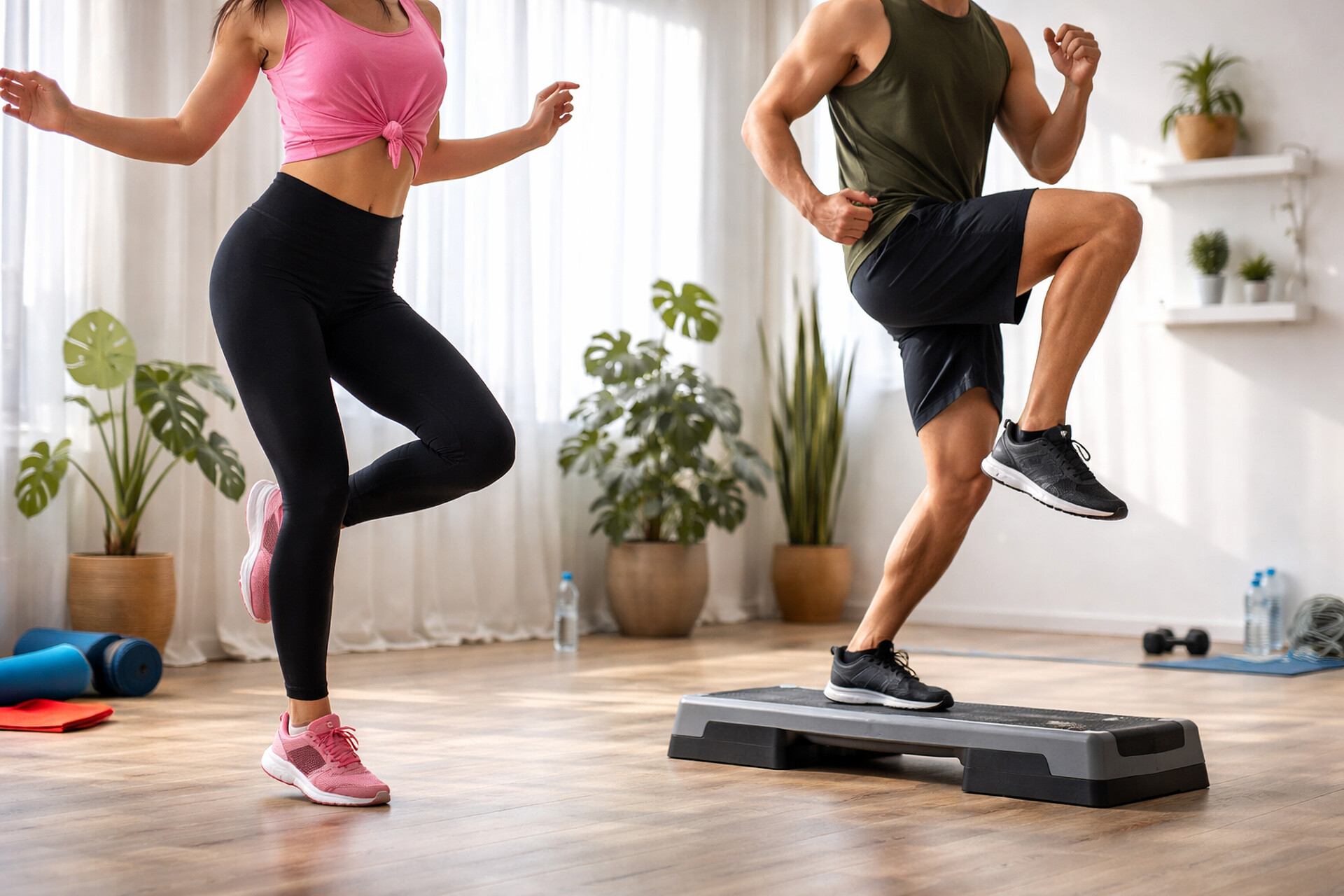
Is Dance Fitness Better Than Traditional Cardio Workouts for Overall Health?
What Counts as “Dance Fitness” vs. Traditional Cardio?
Dance fitness and traditional cardio are often grouped together because both elevate heart rate and improve endurance, but they differ significantly in how movement is structured and experienced. Dance fitness typically blends choreographed routines with music, turning exercise into a rhythm-driven activity. Popular formats include Zumba, dance cardio classes, and barre-inspired workouts, all of which rely on sequences of steps that change over time. In contrast, traditional cardio focuses on repetitive, cyclical movements such as running, cycling, swimming, or using machines like ellipticals and rowers.
At its core, dance fitness emphasizes variety and coordination. Movements are multi-directional and often involve the entire body, combining steps, turns, arm patterns, and timing. This creates a dynamic workout where intensity can fluctuate depending on the choreography. Traditional cardio, on the other hand, is usually more predictable and easier to measure. You can control pace, resistance, or speed with precision, making it straightforward to track progress and maintain specific intensity zones.
Another key difference lies in mental engagement. Dance fitness requires learning and remembering sequences, which adds a cognitive component to the workout. This can make sessions feel more like a recreational activity than structured exercise. Traditional cardio tends to be more automatic once a rhythm is established, allowing for activities like listening to music, podcasts, or simply zoning out during the workout.
Ultimately, both forms qualify as cardiovascular exercise because they raise your heart rate and improve stamina. The distinction comes down to how the movement is delivered: dance fitness is expressive, varied, and skill-based, while traditional cardio is consistent, measurable, and performance-oriented.
Calorie Burn Showdown: Which One Actually Burns More?

Calorie burn depends less on the label of the workout and more on how hard and how long you’re working. Both dance fitness and traditional cardio can deliver substantial energy expenditure, but they do so in slightly different ways. A steady run or cycling session often produces a predictable calorie burn because intensity remains consistent. Dance fitness, however, tends to fluctuate between higher and lower intensity intervals depending on the choreography, which can create a more varied energy output.
One of the biggest advantages of traditional cardio is control. You can adjust speed, incline, or resistance to stay within a specific heart rate zone, making it easier to target calorie burn goals. This consistency is especially useful for people following structured fitness plans. In contrast, dance workouts may feel less precise, but that doesn’t mean they’re less effective. In fact, many dance sessions naturally incorporate bursts of higher intensity that can elevate calorie burn similar to interval training.
An often overlooked factor is enjoyment. When people find a workout fun, they tend to stick with it longer and push themselves without realizing it. Dance fitness excels here—participants frequently move continuously for extended periods because they’re engaged with the music and movement. That sustained effort can lead to equal or even greater total calorie burn over time compared to shorter, more monotonous cardio sessions.
Ultimately, neither option is universally “better” for burning calories. A high-intensity dance class can easily match or exceed a moderate jog, while a vigorous cycling session may outperform a low-energy dance routine. The real deciding factor is intensity, duration, and consistency—not the format itself.
Heart Health & Endurance: What Does Science Say?
Improving heart health comes down to consistently challenging your cardiovascular system, and both dance fitness and traditional cardio are effective ways to do that. When your heart rate stays elevated for a sustained period, your body adapts by strengthening the heart muscle, improving circulation, and increasing your ability to deliver oxygen to working muscles. This is where both styles can provide meaningful benefits, as long as the intensity is sufficient.
Traditional cardio tends to have an advantage in building steady endurance. Activities like running, cycling, or rowing allow you to maintain a continuous pace, which is ideal for improving aerobic capacity over time. This type of training helps your body become more efficient at using oxygen, often leading to noticeable gains in stamina and performance during longer efforts.
Dance fitness, on the other hand, often mimics interval-style training. The natural variation in choreography—faster sequences followed by slower recovery moments—can challenge the heart in different ways. This variability can improve both aerobic and anaerobic capacity, helping your body handle changes in intensity more effectively. It’s especially beneficial for people who prefer workouts that feel less repetitive but still deliver strong cardiovascular results.
Consistency plays a bigger role than format. A person who regularly attends energetic dance classes may see similar heart health improvements as someone who runs several times a week. The key is maintaining a level of effort that keeps your heart rate elevated and repeating that stimulus over time.
In the end, both approaches support a healthier heart and improved endurance. Traditional cardio offers precision and progression, while dance fitness provides variety and engagement—both leading to meaningful cardiovascular gains when done consistently.
Muscle Engagement: Full-Body vs. Targeted Training

When it comes to muscle engagement, dance fitness and traditional cardio take noticeably different approaches. Dance workouts tend to involve the entire body at once—legs, core, arms, and even smaller stabilizing muscles are constantly active to maintain rhythm, balance, and coordination. In contrast, traditional cardio often emphasizes specific muscle groups depending on the activity, such as the legs in running or cycling, with less consistent involvement from the upper body.
- Dance fitness promotes full-body activation. Movements like turns, lateral steps, and arm combinations require coordination across multiple muscle groups, encouraging balanced development and functional strength.
- Traditional cardio is more targeted. Activities like jogging primarily engage the lower body, while machines like rowing can incorporate both upper and lower muscles but still follow repetitive patterns.
- Stabilizer muscles work harder in dance. Because choreography involves dynamic shifts in direction and tempo, smaller muscles around the hips, core, and ankles are continuously engaged to maintain control.
- Muscle endurance develops differently. Traditional cardio builds endurance through sustained, repetitive motion, while dance builds endurance through varied, multi-planar movement patterns.
- Strength gains are typically limited in both. Neither method replaces resistance training, but dance fitness may offer slightly more muscular variety due to its diverse movements.
Ultimately, dance fitness delivers a more holistic muscle engagement experience, while traditional cardio provides focused, repetitive conditioning. Both can complement a well-rounded fitness routine, especially when paired with strength training for optimal results.
Coordination, Balance, and Brain Benefits
One of the most distinctive advantages of dance fitness is how it challenges both the body and the brain at the same time. Unlike repetitive cardio movements, dance requires you to process rhythm, remember sequences, and coordinate multiple body parts simultaneously. This combination turns a workout into a full neuromuscular experience, engaging areas of the brain responsible for memory, timing, and spatial awareness.
Learning choreography introduces a cognitive layer that traditional cardio often lacks. As you practice new routines, your brain forms and strengthens connections related to movement patterns. Over time, this can improve reaction time, coordination, and even your ability to pick up new physical skills more quickly. It’s not just about moving—it’s about thinking while moving.
Balance is another area where dance fitness stands out. Frequent changes in direction, single-leg movements, and dynamic transitions force your body to stabilize itself continuously. This improves proprioception, which is your awareness of where your body is in space. Better balance isn’t just useful for fitness—it plays a key role in everyday movement and long-term injury prevention.
Traditional cardio still offers mental benefits, especially in reducing stress and improving mood, but it tends to be more repetitive and less cognitively demanding. Activities like running or cycling can become almost automatic, which is great for relaxation but less effective for developing coordination.
In the long run, incorporating movement that challenges both mind and body can be especially valuable. Dance fitness provides that dual benefit, making it a powerful option for those looking to improve not just physical fitness, but also mental sharpness and body control.
Adherence & Motivation: The Workout You’ll Actually Stick To

Long-term fitness results depend far more on consistency than on choosing the “perfect” workout. This is where adherence—your ability to keep showing up—becomes the deciding factor. Many people start strong with structured cardio routines but struggle to maintain motivation over time, especially when workouts feel repetitive or mentally draining.
- Enjoyment drives consistency. Dance fitness often feels more like entertainment than exercise, which can make it easier to stay committed week after week.
- Variety reduces boredom. Changing choreography and music keep sessions fresh, while traditional cardio can feel monotonous if not varied intentionally.
- Perceived effort matters. People often push harder in dance workouts without realizing it, simply because they’re focused on the experience rather than the exertion.
- Goal-oriented individuals may prefer structure. Traditional cardio offers clear metrics like distance, pace, and time, which can be motivating for those who enjoy tracking progress.
- Social environment plays a role. Group dance classes can create a sense of community, while solo cardio may require more self-discipline.
Ultimately, the best workout is the one you’ll consistently do. Whether that’s dancing to music or logging miles on a treadmill depends on your personality, preferences, and what keeps you engaged over the long term.
Injury Risk and Joint Impact
The risk of injury in any workout depends on intensity, technique, and individual fitness level, but the type of movement plays a major role as well. Both dance fitness and traditional cardio can be safe and effective when performed correctly, yet they place different kinds of stress on the body.
Traditional cardio can range from low to high impact. Activities like running and jumping-based workouts put repeated stress on the joints, especially the knees and ankles. Over time, this can increase the risk of overuse injuries if recovery, footwear, or form are not properly managed. Lower-impact options such as cycling, swimming, or using an elliptical significantly reduce joint strain while still delivering strong cardiovascular benefits.
Dance fitness often incorporates varied movement patterns. Because routines include lateral steps, turns, and changes in direction, stress is distributed across different joints and muscles rather than repeated in the same way. This can reduce the likelihood of repetitive strain injuries, but it introduces a different challenge—coordination. Missteps, poor balance, or improper technique can lead to minor injuries like ankle twists if movements are not controlled.
Impact level varies widely in dance workouts. Some formats are high-energy with jumps and fast footwork, while others are designed to be low-impact and joint-friendly. This flexibility makes dance fitness accessible to a wide range of fitness levels, but it also means participants need to choose classes that match their abilities.
Proper form, progression, and awareness are key in both approaches. Warming up, wearing appropriate footwear, and listening to your body can significantly reduce injury risk regardless of the workout style. Neither dance fitness nor traditional cardio is inherently dangerous—the risk comes from how they’re performed.
Weight Loss vs. Body Composition: What’s the Real Goal?

When people compare dance fitness and traditional cardio, the conversation often centers on weight loss—but that’s only part of the picture. Losing weight simply means reducing total body mass, while improving body composition focuses on lowering body fat while preserving or building lean muscle. These are related goals, but they don’t always happen at the same rate or through the same methods.
- Calorie balance drives weight loss. Both dance fitness and traditional cardio can help create a calorie deficit, which is essential for losing weight. The method matters less than consistency and total energy expenditure.
- Muscle preservation requires more than cardio. Neither dance nor standard cardio is highly effective for building muscle, so without resistance training, some muscle loss can occur during weight loss.
- Dance fitness may support better movement quality. Because it engages multiple muscle groups and stabilizers, it can help maintain functional strength and coordination during fat loss.
- Traditional cardio can be easier to scale. Adjusting intensity and duration allows for precise control over calorie burn, which can be helpful in structured fat-loss plans.
- Sustainable results depend on habits. Enjoyable workouts—often dance-based—can improve long-term adherence, which is critical for maintaining results rather than just achieving them.
In the end, neither approach guarantees better body composition on its own. The most effective strategy combines consistent cardiovascular activity, some form of strength training, and supportive nutrition. Dance fitness and traditional cardio can both play a valuable role—it just depends on how they fit into your overall routine.
Accessibility & Lifestyle Fit
Choosing between dance fitness and traditional cardio often comes down to how easily each option fits into your daily life. Even the most effective workout won’t deliver results if it’s inconvenient, expensive, or difficult to maintain consistently. Accessibility includes factors like time, location, equipment, and personal preferences.
Dance fitness is highly adaptable and often requires minimal setup. Many routines can be done at home with little to no equipment, making it a convenient option for people with busy schedules. Online classes and short sessions also allow for flexibility, so you can fit workouts into smaller time windows without needing a gym.
Traditional cardio offers flexibility but may require more structure. Activities like walking or running are accessible and low-cost, but others—such as cycling classes or gym-based machines—may require memberships or specific equipment. Additionally, outdoor cardio can be affected by weather, which may limit consistency for some individuals.
Personal preference plays a major role in sustainability. Some people thrive in social environments like group dance classes, where energy and music create a motivating atmosphere. Others prefer the simplicity and solitude of a solo run or bike ride, using the time to clear their mind or focus on personal goals.
Ultimately, the best option is the one that integrates seamlessly into your lifestyle. A workout that is easy to start, enjoyable to repeat, and flexible enough to adapt to your routine will always have a greater long-term impact than one that feels like a constant challenge to maintain.
The Verdict: Is One Truly “Better” — or Just Different?
After comparing all aspects—from calorie burn to brain benefits—it becomes clear that dance fitness and traditional cardio are not competitors as much as they are complementary tools. Each offers distinct advantages, and the “better” option depends entirely on your goals, preferences, and lifestyle.
- Choose dance fitness if you value enjoyment, variety, and full-body engagement. It’s ideal for those who want a workout that feels less like a chore and more like an experience.
- Choose traditional cardio if you prefer structure, measurable progress, and controlled intensity. It works well for goal-driven individuals who like tracking performance.
- Combine both for optimal results. Mixing steady-state cardio with dance-based sessions can improve endurance, coordination, and overall fitness while keeping things interesting.
- Match your workout to your goal. Fat loss, heart health, stress relief, or skill development may each benefit from a slightly different approach.
- Consistency matters more than format. The most effective workout is the one you can maintain regularly over time.
In the end, there’s no universal winner. Dance fitness and traditional cardio simply offer different paths to the same destination: better health, improved fitness, and a more active lifestyle.